

Community Outreach
Spartanburg Water is committed to serving our community beyond water and wastewater services. Through educational programs, facility tours, environmental partnerships, and public health initiatives, we create opportunities for people of all ages to learn, get involved, and make a positive impact. Explore our programs below to see how we’re working with our community to promote sustainability, stewardship, and a healthier Upstate.
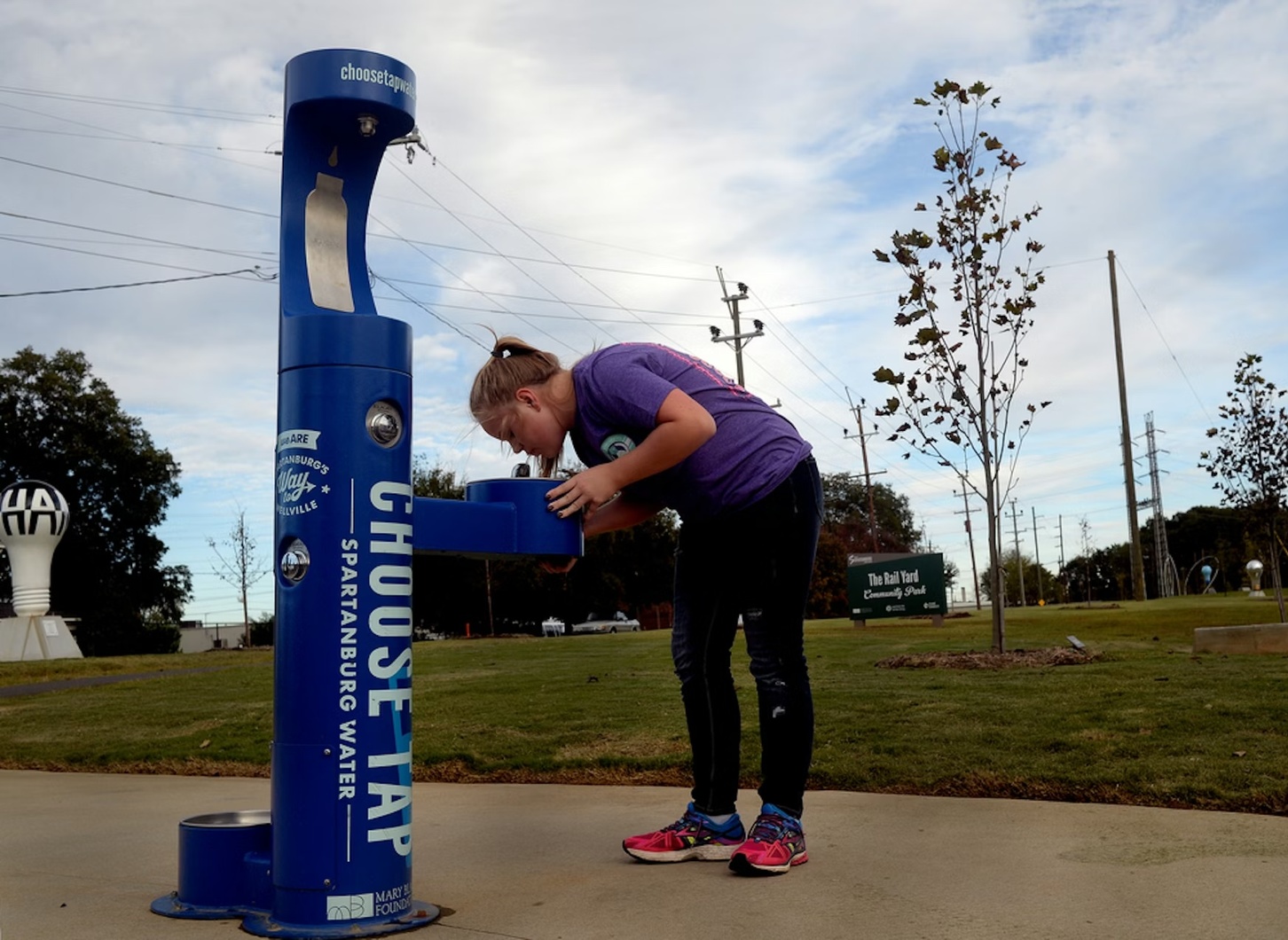
Choose Tap
The Spartanburg Water Choose Tap Program helps our community live healthy and sustainably. Learn more about why you should ditch those bottled waters and instead "Choose Tap."
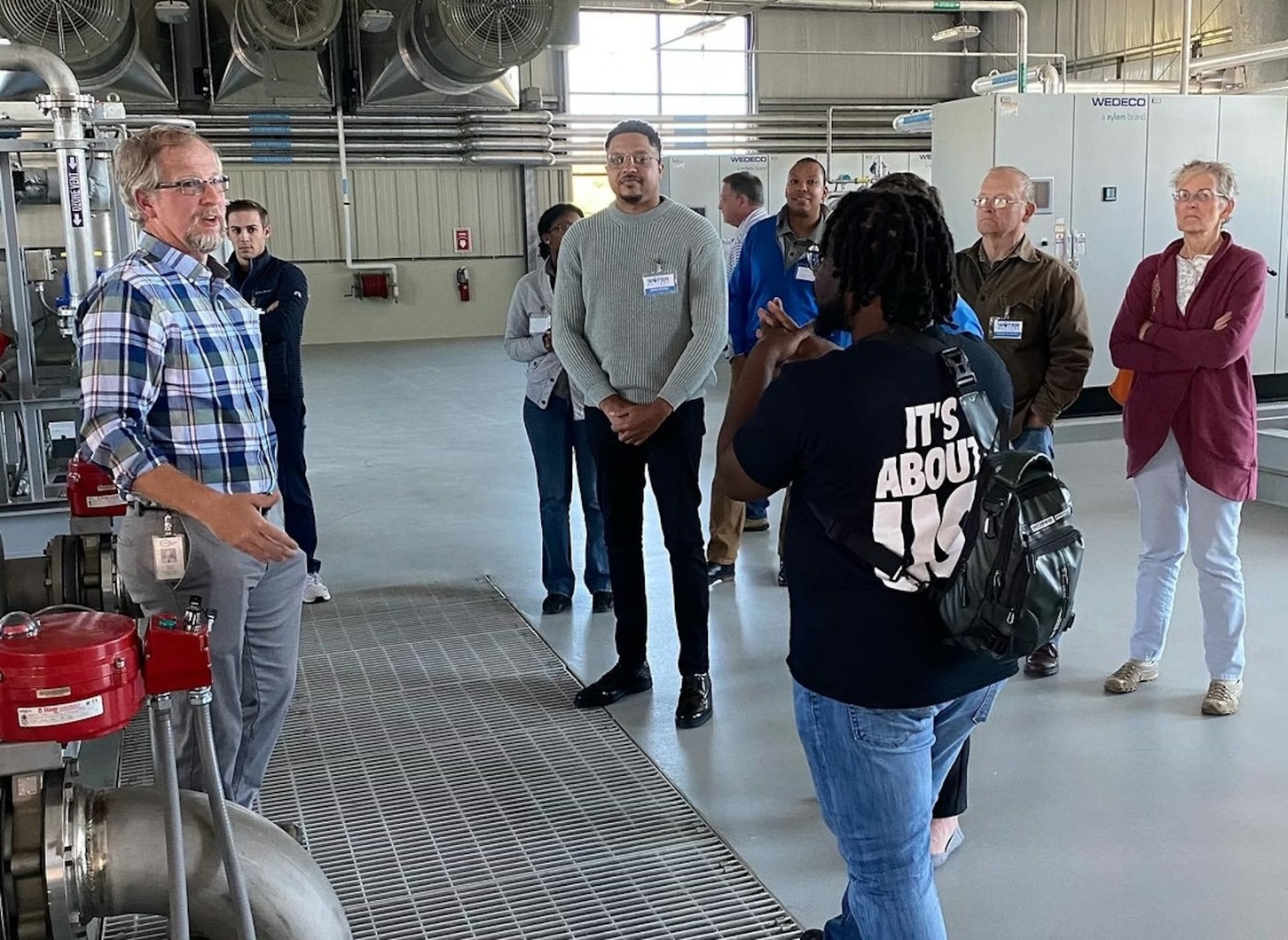
Facility Tours
Spartanburg Water offers numerous opportunities for the community to connect with us - including field trips and tours of our facilities, as well as a robust Speakers' Bureau comprised of our many water and wastewater experts.
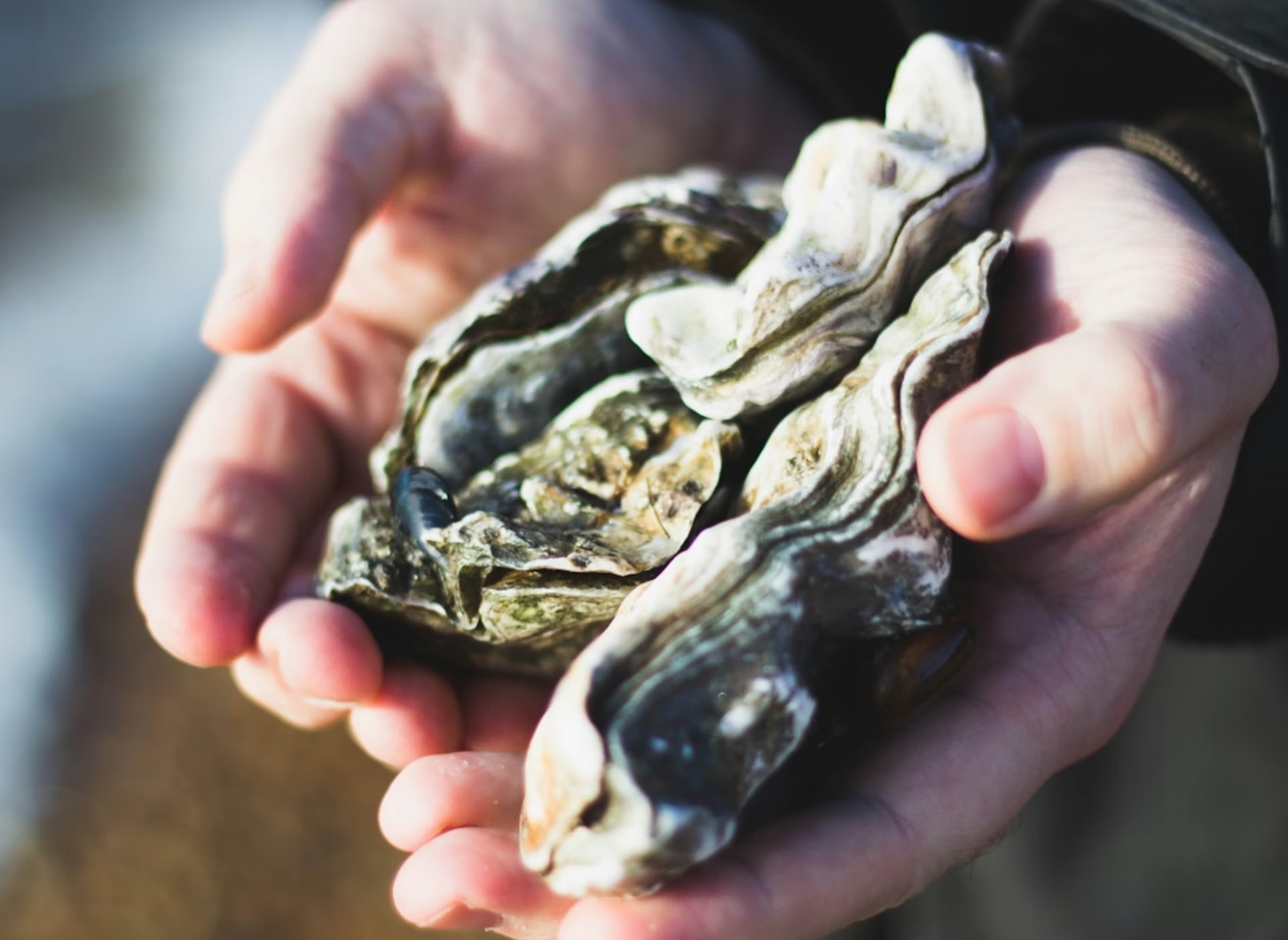
Oyster Shell Recycling
Spartanburg Water partners with the South Carolina Department of Natural Resources (SCDNR) for their South Carolina Oyster Recycling and Enhancement (SCORE) program. The SCORE program works to collect and recycle oyster shells to improve water quality and habitats along the South Carolina shores. Replacing Oyster shells that have been previously harvested for the seafood industry accomplishes many goals to ensure preservation of these resources for future generations.
-
Why Should You Recycle Oyster Shells?
- Oysters improve water quality! They do this by filtering nitrogen and phosphorous, and consuming phytoplankton and other types of algae, reducing the likelihood of algae blooms.
- A single oyster can filter 50 gallons of water every day.
- Oyster larvae can settle in old oyster shells in oyster reefs, allowing them to utilize nutrients from the old shells to promote their own growth.
- These oyster reefs help prevent erosion by attaching to coastlines.
- Oyster reefs provide habitats for many crustaceans, macrofauna and small fish.
-
How Can I Help?
The Spartanburg Water oyster shell community collection area is located at the A. Manning Lynch Wastewater Treatment Facility, located at 1450 Southport Rd. in Spartanburg. A special collection hopper is located off the left side of the entrance to the facility, in front of the gate.
Restaurants, community members and organizations who host oyster roasts are encouraged to deposit their shells in the collection area.
Oyster shell receptacles are available for any interested participant, and volunteers are needed to assist in shell collection and drop off at the Lynch facility.
-
Who Do I Contact for More Information?
For more information or to participate in the program as a volunteer or restaurant partner, please contact Meagan Roy, Spartanburg Water Watershed Management Coordinator, at (864) 592-2240 or mroy@spartanburgwater.org.
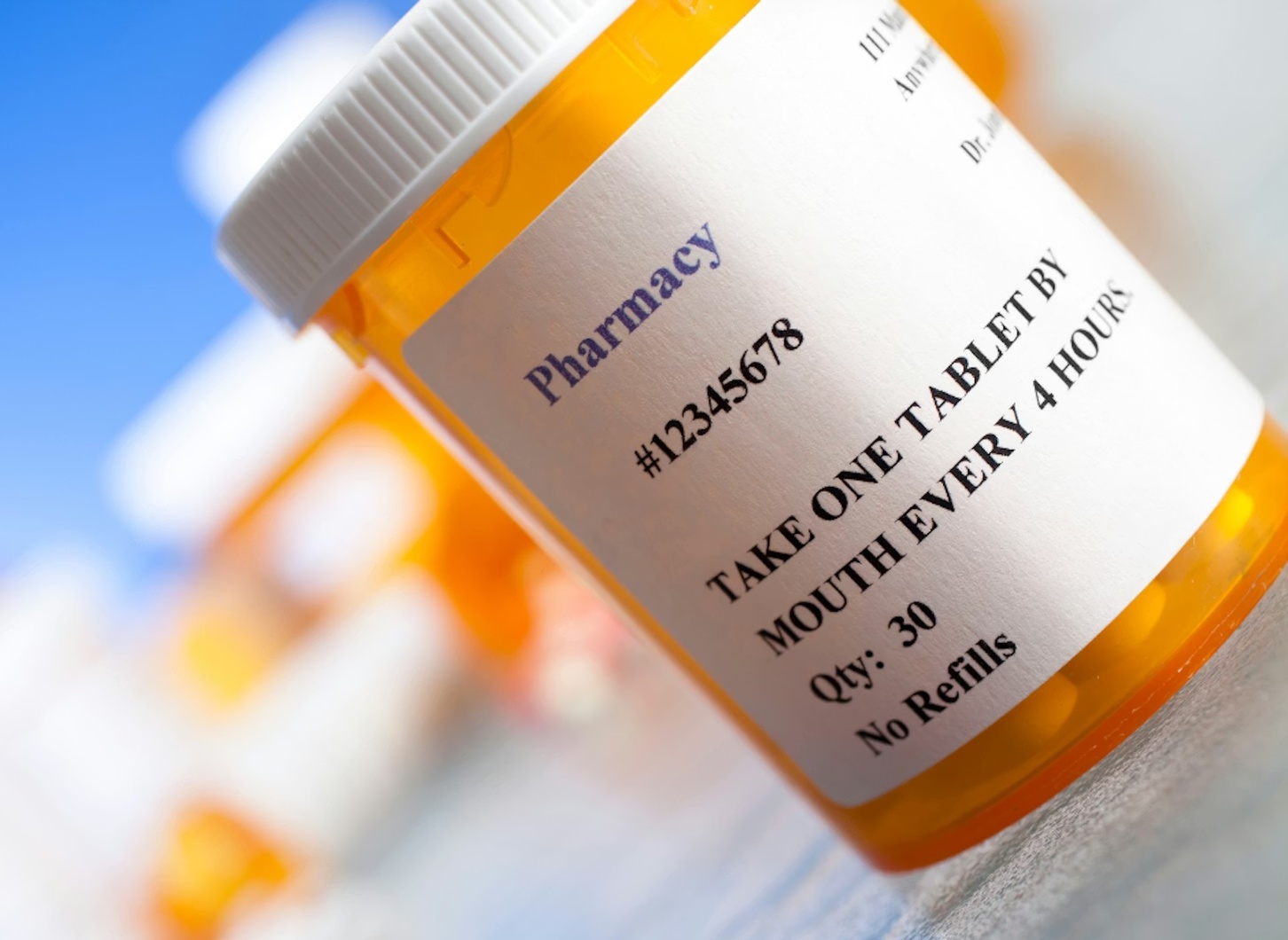
Deterra© Drug Disposal
Each year, unused and expired medications are tossed in the trash or flushed down the toilet. Both of these options can negatively impact our environment and cause concerns for wastewater treatment.
This is why Spartanburg Water supports the Deterra© drug disposal system to help our community properly dispose of their unused and expired medications. Using the Deterra© Pouch, medications can be permanently deactivated and safely disposed of in the trash.
